
Project: BIM Shamans
The term shamanism comes from the Manchu-Tungus word šaman. The noun is formed from the verb ša-, which means to know. A shaman is literally the ‘one who knows’.
The campfire origins
We tackle topics that orbit around civil enginneering, BIM technology, automation and data analysis. What unites us is a results-oriented approach - a straightforward engineering path to the goal, always with a healthy skepticism toward any “one true solution.”. Project: BIM Shamans is the space to share thoughts and solutions worth mentioned outside our everyday talks.
Diving into the flame
For years, we have been closely following the evolution of Digital Delivery and the technological solutions that comes with it. We’ve seen architectural studios and companies take their first steps: purchasing first licenses for “BIM software,” appointing their first BIM managers, and wrestling with the chaos of new standards.
We weren’t bystanders — we were in the trenches: designing, coordinating, standardizing, modeling, and managing data. We created the first automations, Dynamo scripts, workflows, and even devised tricks to bypass the limitations imposed by software developers. Over time, we became ‘those who know’ - the ones people turn to for answers.
We’ve always been on the front line, where BIM HAPPENS - not just in theories and discussions but in the daily grind of project challenges.
In our “shamanic” project, we share insights, tricks, and automations. We won’t be preaching what BIM should be - we’ll show you what it is and how much you can squeeze out of it, right here and now.
Time and again, we’ve watched so-called “one true” and “only right” solutions collapse when confronted with real-world challenges - the daily struggles of designers, engineers, and clients. That’s why we don’t claim to have the ultimate answer or convince anyone that our approach is the most revolutionary or the best in the world. But we do know that it works - we’ve tested it on the front lines, where “correct” plans often lose to reality of civil engineering.
Experimentation is a daily practice in BIM, and we’re never afraid to re-think an approach. We’ll also allow ourselves a bit of complaining and a few jokes, because we want to show that we enjoy what we do — solving the challenges that cross our path, always remembering that the final product of our digital work is something real and tangible.
What brought us together was a results-driven mindset - skipping the marketing fluff and taking a straight engineering path to the goal. While the high priests of this or that tool, data exchange format, or standard preached their superiority, we - with shamanic determination, were busy finishing yet another project. A tool remains just a tool until it’s used properly, and a healthy dose of skepticism toward the promises of its features is always recommended.
In the end of the day, more important than being dark or light magic expert, is being expert in delivering working solution.
And here we are…
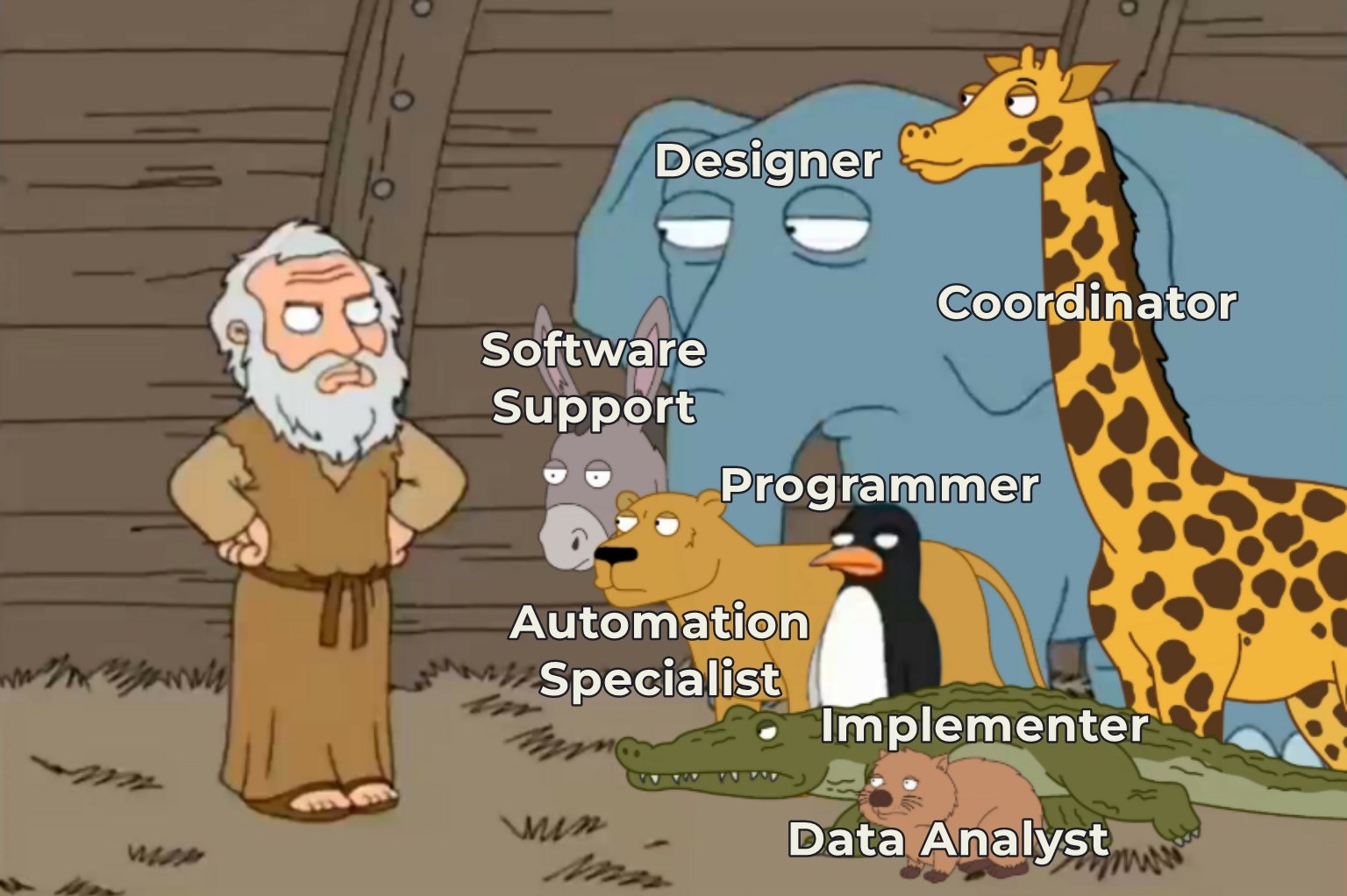
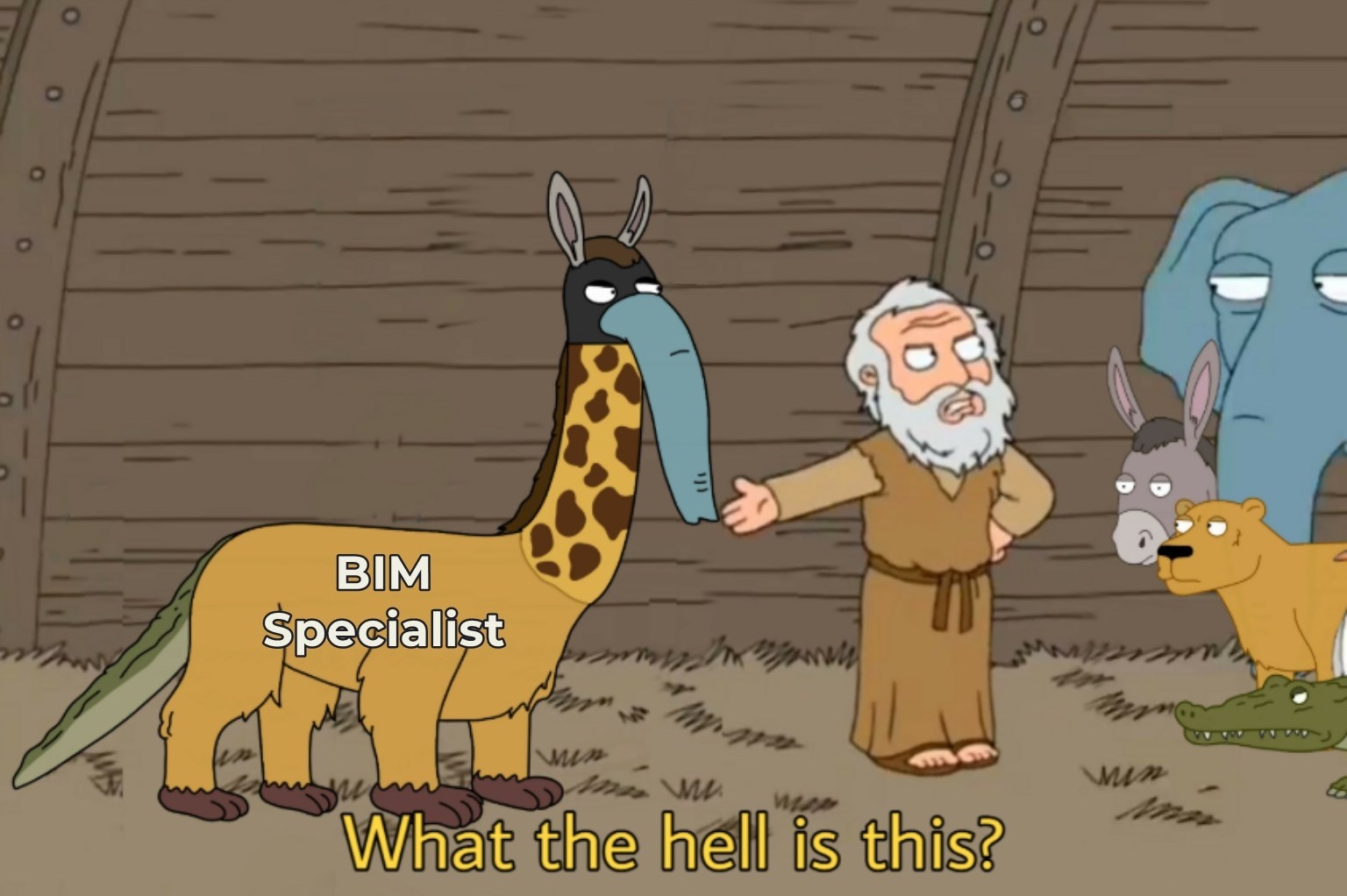
The Tribal Council
The team behind BIM Shamans brings diverse expertise and a shared passion for solving real-world BIM challenges through automation, standardization, and pragmatic engineering.
Julian Wandzilak
Independent architect, creator, C# developer, and BIM coordinator with international experience across the UK, USA, and Poland. Pioneer in missing Revit’s automation with published Revit plugins used by professionals worldwide.
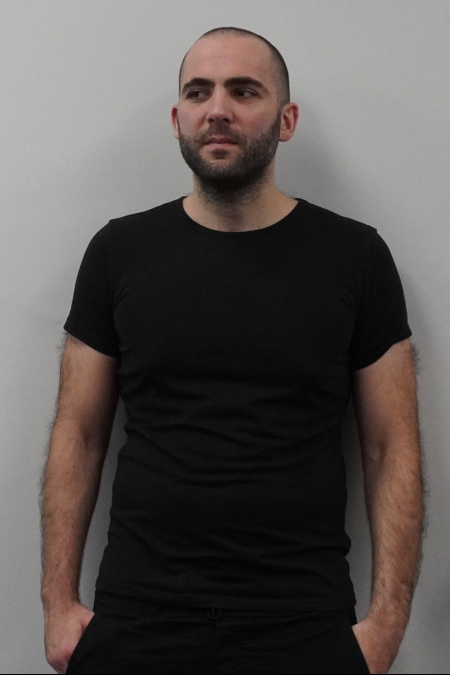

I am a licensed architect, C# developer, and BIM coordinator. I gained my professional experience in the UK (Manchester, London), USA (Chicago), and Poland (Kraków), and I have also participated in architectural projects in Australia and Norway.
My work has included preparing masterplans, designing factories, healthcare facilities, educational buildings, high-end residences, high-rise buildings and dormitories, museum interiors, as well as extensions and renovations of heritage-listed buildings. I am also a certified drone pilot (VLOS and BVLOS up to 25kg) and an avid photographer.
I am always open to taking part in interesting ventures.
The best solutions are born from interdisciplinary thinking. I’m probably interested in too many things, but I truly believe that ‘specialization is for insects.’
All my experience has shown me one thing: WE NEED MORE AUTOMATION. Instead of waiting for software vendors to solve my problems, I took matters into my own hands — I learned how to program and started publishing tools that help architects and engineers around the world. They also support my own work as an architect, leaving me more time for the creative side of the profession.
Natalia Gawlik
BIM Coordinator and Surveyor with GIS background and expertise in large-scale infrastructure projects for public sector in Norway. Specialist in data management, information-driven modelling, automation and parametric design using Dynamo, Grasshopper, and Python.
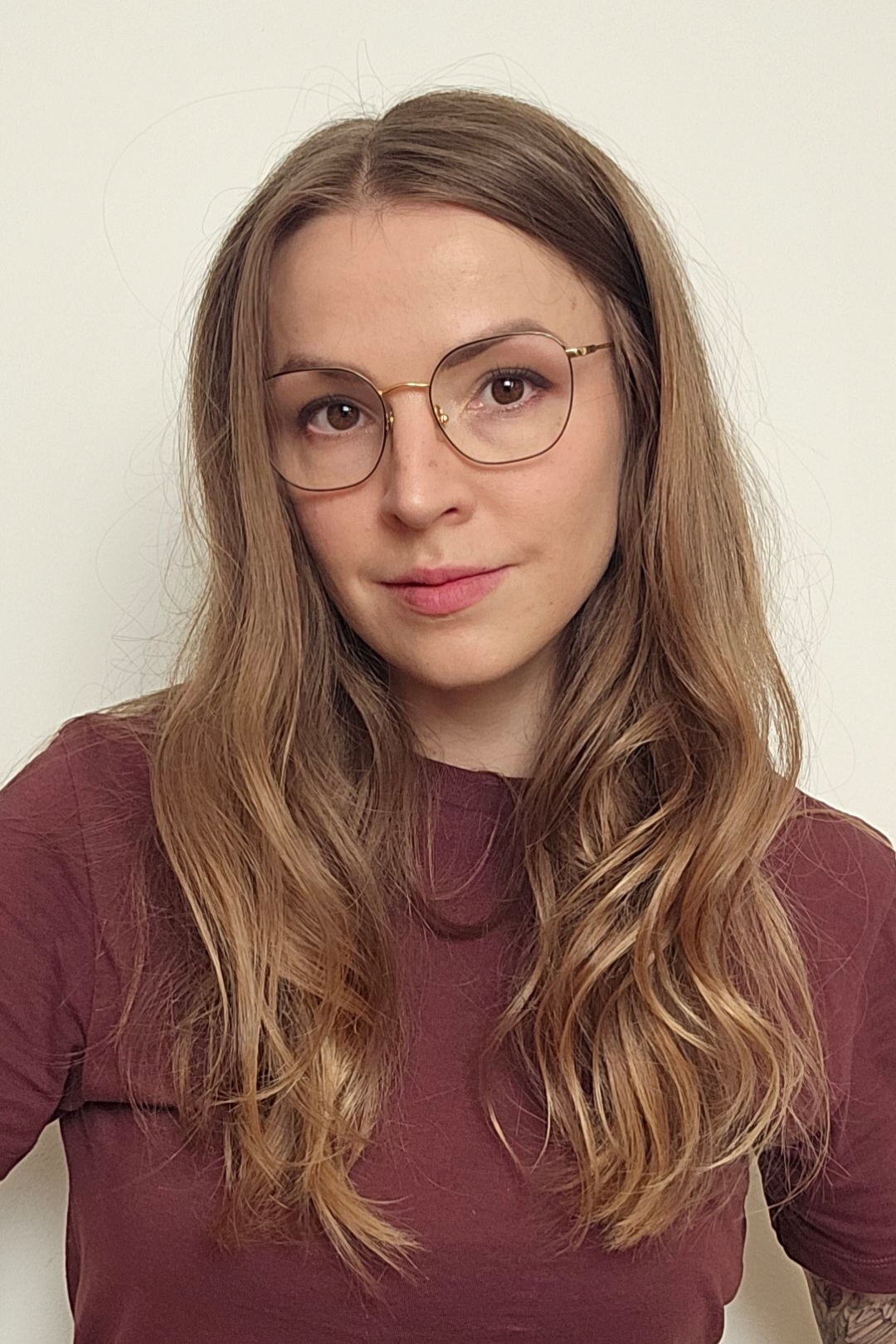

I’m a BIM Coordinator and Digital Delivery Specialist with extensive experience on large‑scale railway infrastructure projects in Norway. Trained as a land surveyor, I moved into BIM because it unites the technical challenges I enjoy — technology, automation, and cross‑discipline information exchange.
Over the past decade I’ve worked across photogrammetry, laser scanning, drone mapping, and 3D modelling (Scan‑to‑BIM). Now I lead BIM coordination, automation, and project delivery using VDC methods on public infrastructure projects. On a day‑to‑day basis I coordinate design work to meet public client BIM requirements, relying primarily on openBIM data formats.
To be honest, I’m too lazy for boring and repetitive tasks. I can’t stand doing the same thing many times if I can automate it. Yes, I may have spent hours coding just to skip a 10-minute task. No regrets, still more benefits, taking into account scale effect.
For me, automation isn’t just a technical solution — it’s what gives me the freedom to focus on more important tasks. It also make me curtain the process works under control and has a great synergy with openBIM workflows.
Piotr Spyra
BIM Coordinator and BIM Manager, licensed structural designer. An engineer working at the intersection of design and construction, always advocating for data correctness and completeness. Experience gained on projects in Poland, Germany and Sweden.


I’m a civil engineer and licensed structural designer with on‑site experience and BIM roles on industrial and real‑estate projects. I gained BIM Coordinator experience on projects in Poland, Germany and Sweden, and I’ve worked as a BIM Manager and consultant for the real‑estate market.
I help teams turn models into reliable construction deliverables by implementing standardized workflows, precise quantity take‑offs, clash detection, and smart reporting (it’s all about the data, isn’t it?), all designed to make models usable on site.
As a fan of automation as a human‑error‑preventing mechanism, I’ve implemented visual programming and simple scripting into my daily work. Standardization? It is the foundation that makes automation effective.
I’m an enthusiast of the BIM concept itself - a major step forward for transparency and process discipline in the work of engineers and designers. I consider it the best starting point we currently have for digitalization in the civil industry.
I focus on eliminating information overproduction, ensuring data reliability with clear presentation, and maximization of reuse produced data across the widest possible range of use cases.
As an automation advocate, I see automation as a tool that prevents common human errors. I have permanently integrated visual programming, simple scripting, and regular QA checks into daily workflows. Standardization? It is the foundation that allows these solutions to work effectively, to be scalable, and to feed AI, opening new possibilities.